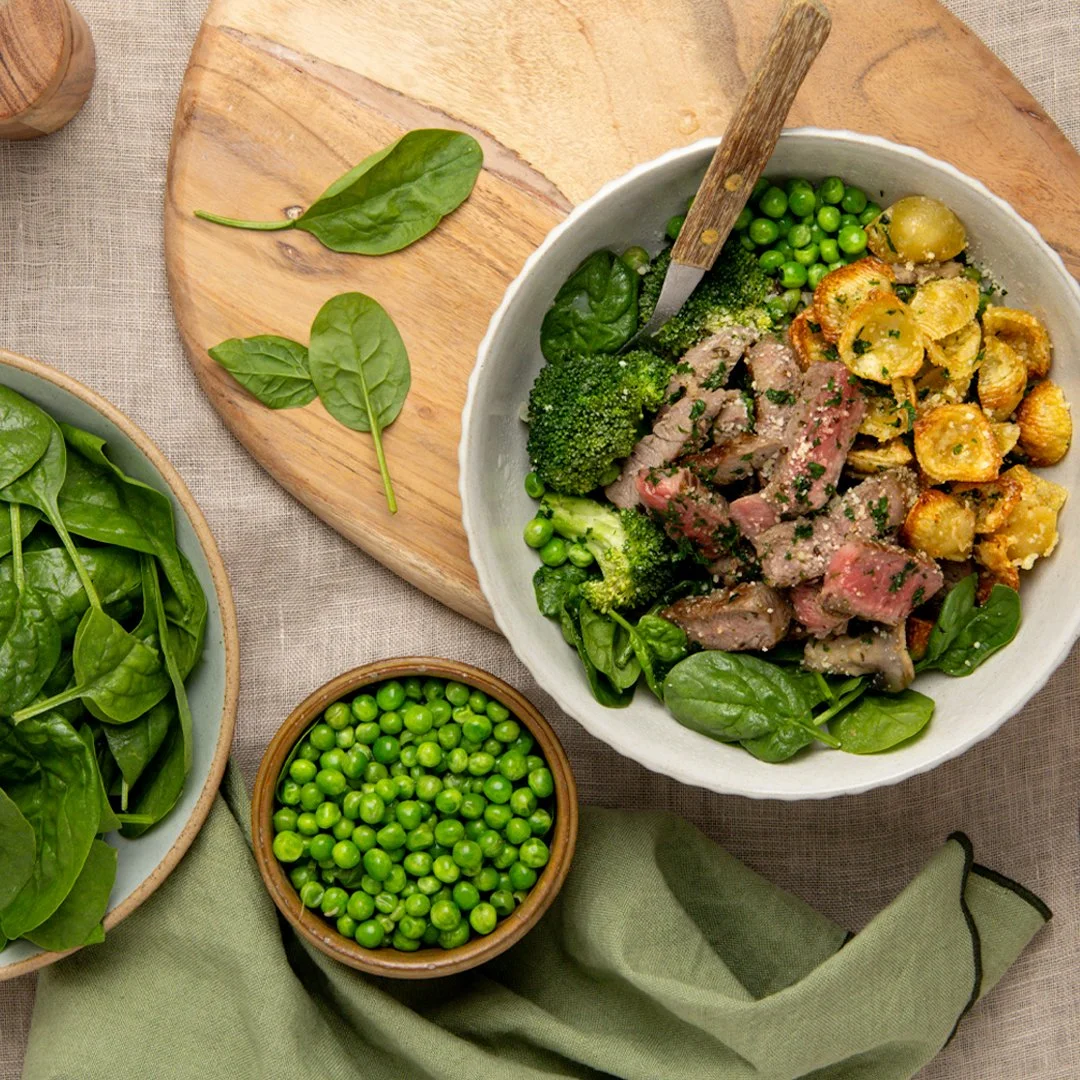
Your guide to eating red meat well
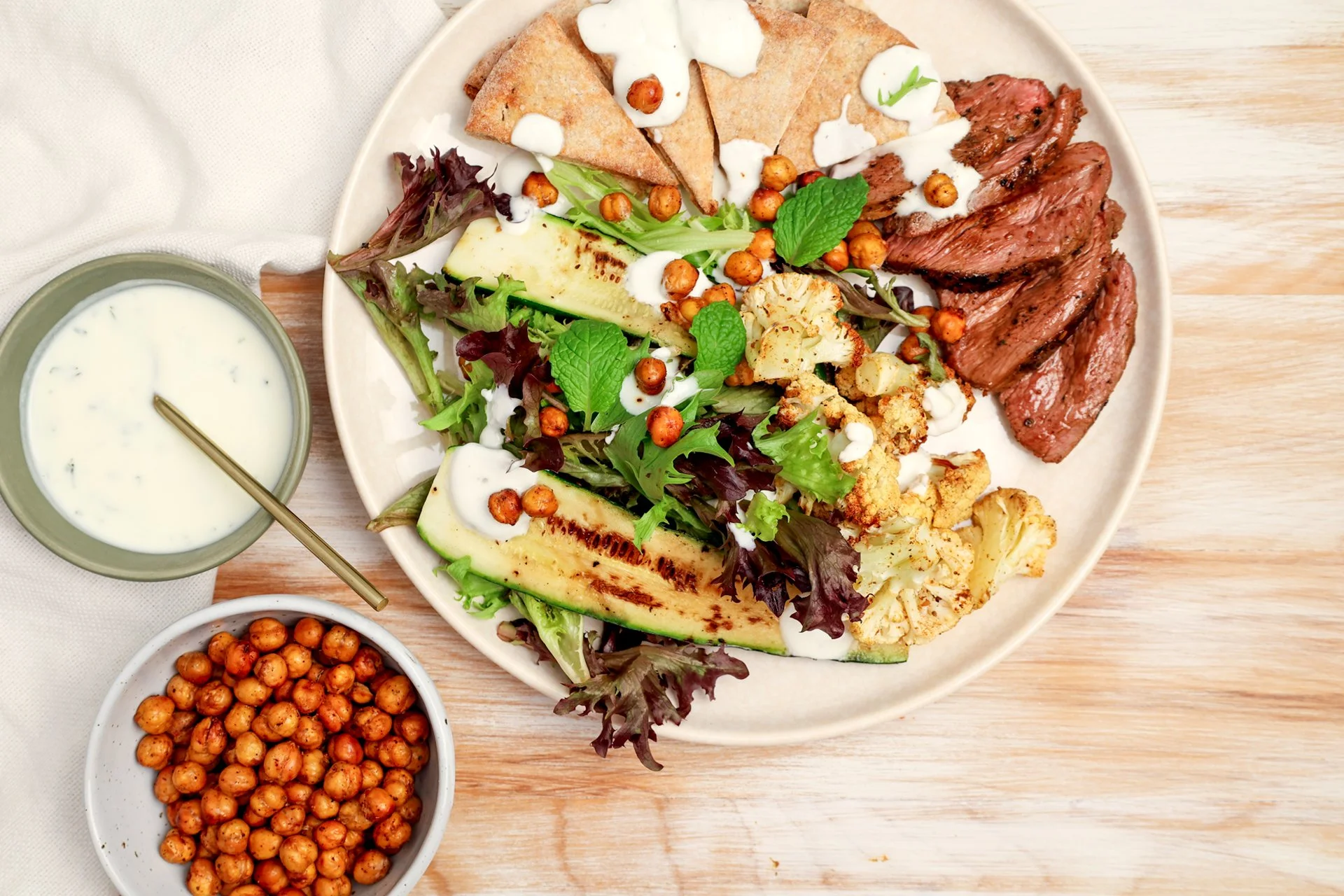
What you eat
Eating well doesn’t have to mean overthinking every meal. New Zealand beef and lamb can be part of a balanced diet, providing protein and important nutrients including iron, zinc and vitamin B12. It’s about choosing portions and cuts that suit the meal you’re making, and enjoying red meat alongside plenty of vegetables, wholegrains and other foods that contribute to a varied diet.
This guide brings together practical, evidence-based advice from our Nutrition Team to make eating red meat well a little easier. You’ll find simple guidance on balanced meals, the nutrients found in beef and lamb, portion sizes, how different cuts fit into everyday meals, and how to buy, store and use it wisely.
Whether you’re planning a quick midweek dinner, cooking for the family or working out what to do with Sunday’s leftovers, there’s no need to make it complicated. Beef or lamb can be enjoyed as part of a balanced meal alongside plenty of vegetables and a variety of other foods can make a satisfying, nutritious meal.
Explore the guides below to see how New Zealand beef and lamb can fit into everyday eating.
How much? Portion sizes
The Ministry of Health recommends eating up to 500g of cooked red meat each week – approximately 700–750g uncooked. As a practical guide, a cooked serving of around 100–150g is roughly the size of the palm of your hand.
What’s in beef and lamb?
Beef and lamb are well known for protein, but nutritionally there’s more to them than that. Lean beef and lamb provide high-quality protein and important nutrients including iron, zinc and vitamin B12.
For more detailed nutrition information, visit our Resource Hub.
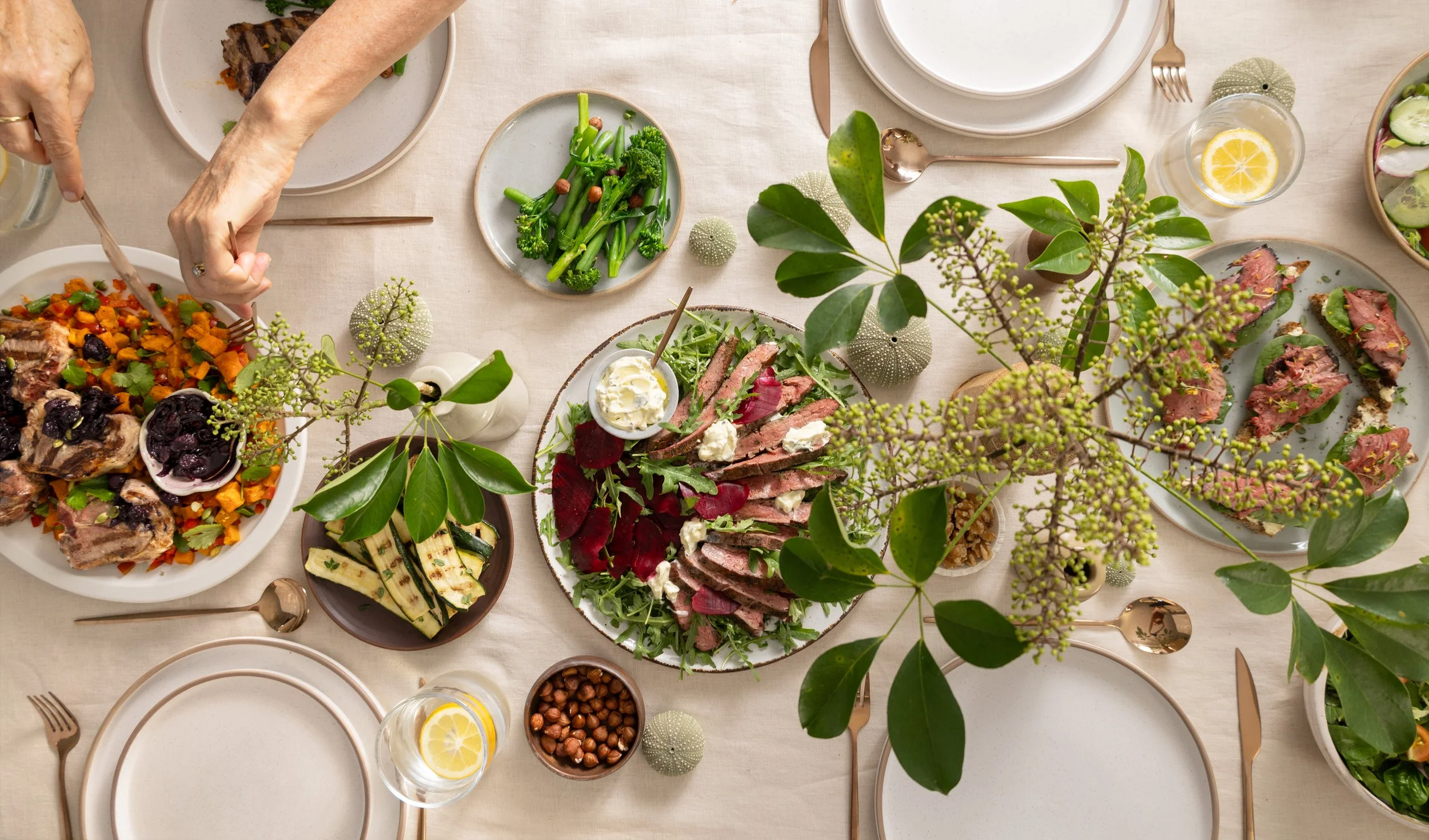
Which cut?
Different cuts suit different meals and methods, from a quick midweek stir-fry to a low-and-slow Sunday roast.
For step-by-step guides to popular cuts, visit:
-
![Spiced beef mince on toasted sourdough topped with sliced avocado, chilli oil and fresh coriander.]()
An expert's guide to mince
-
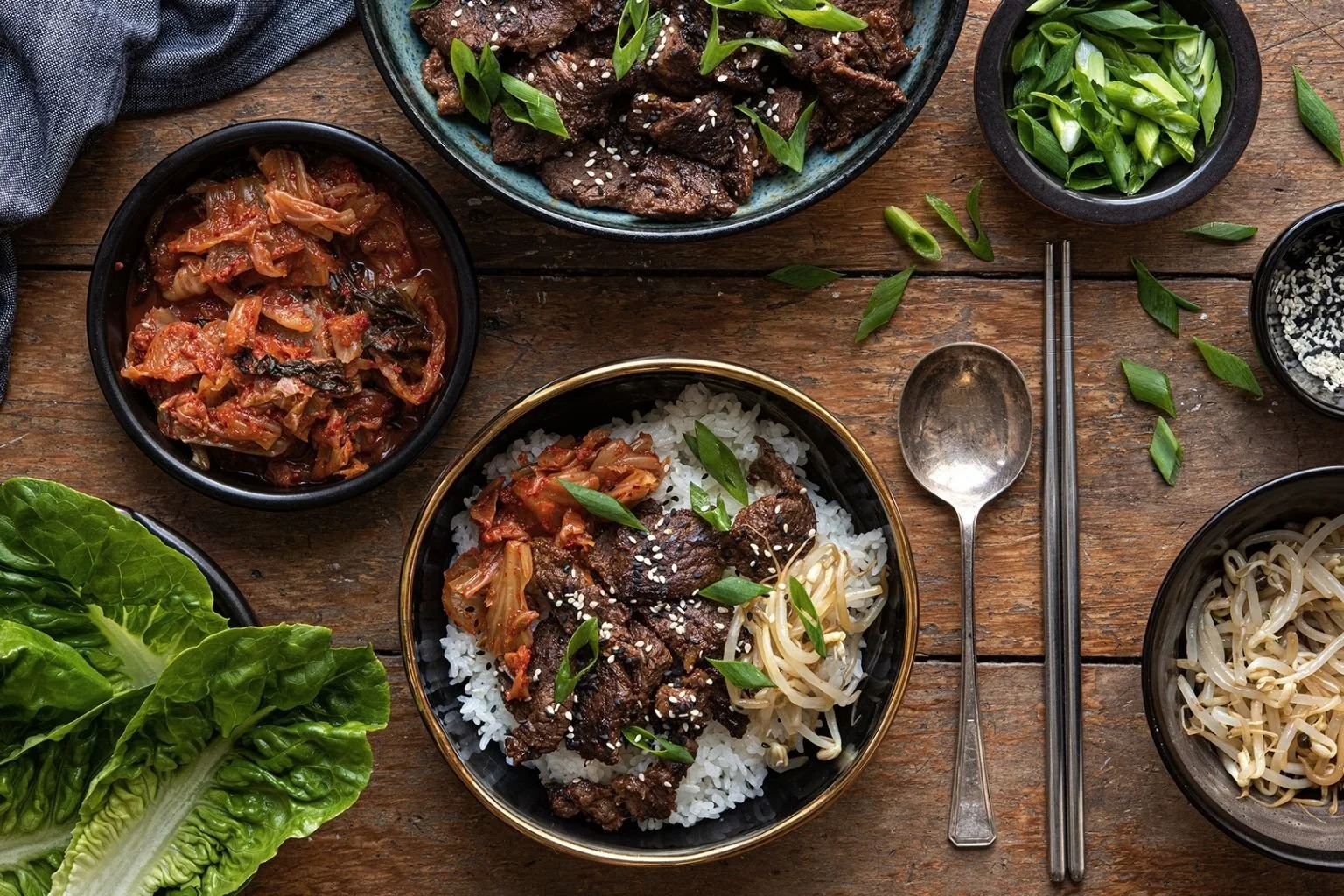
![Korean beef bulgogi with rump steak served over white rice with kimchi, bean sprouts and sliced spring onions, sprinkled with sesame seeds.]()
Perfect rump steak every time
-
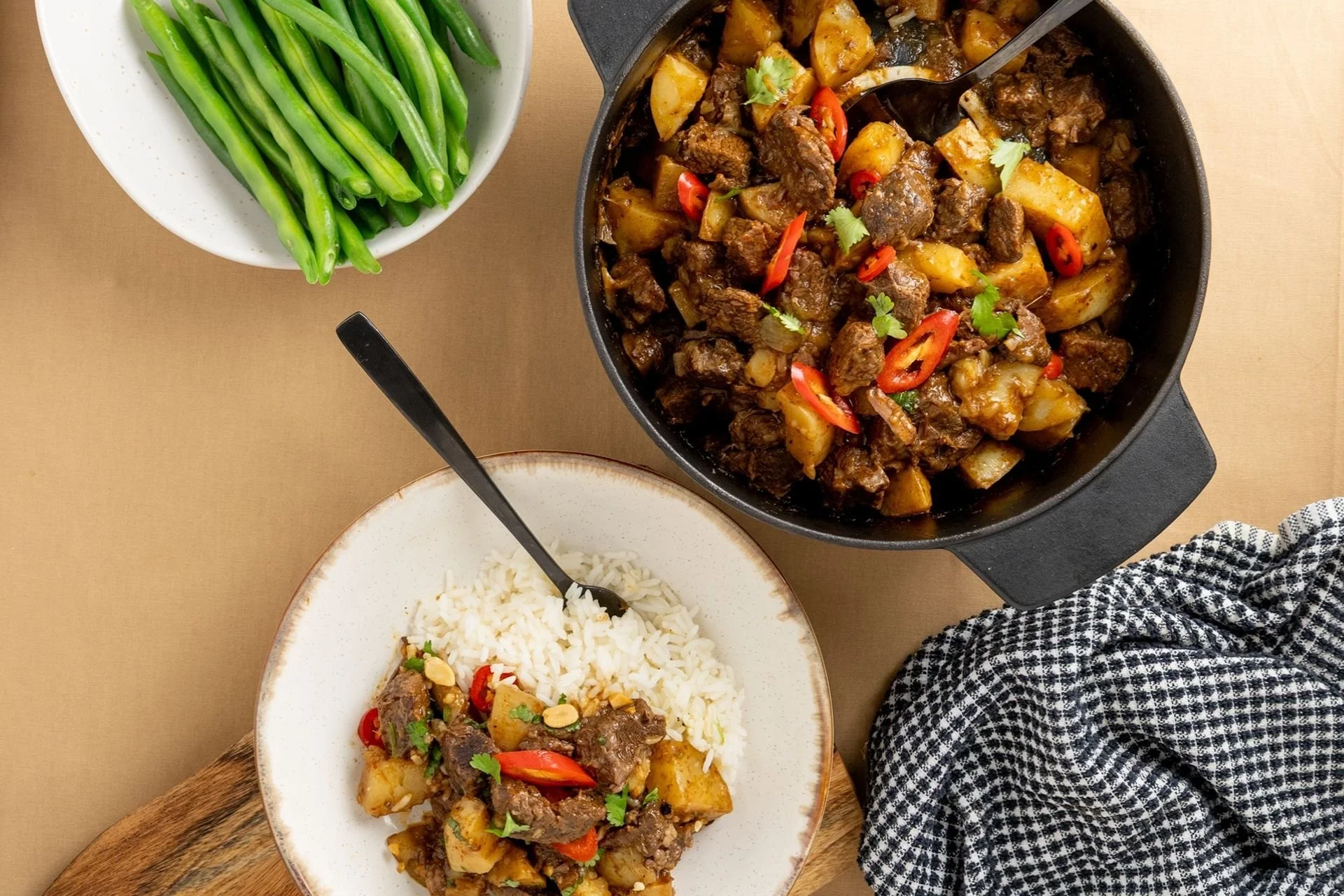
![Slow-cooked diced beef and potato curry with red chilli and fresh coriander, served with steamed white rice and green beans.]()
How to cook diced beef
-
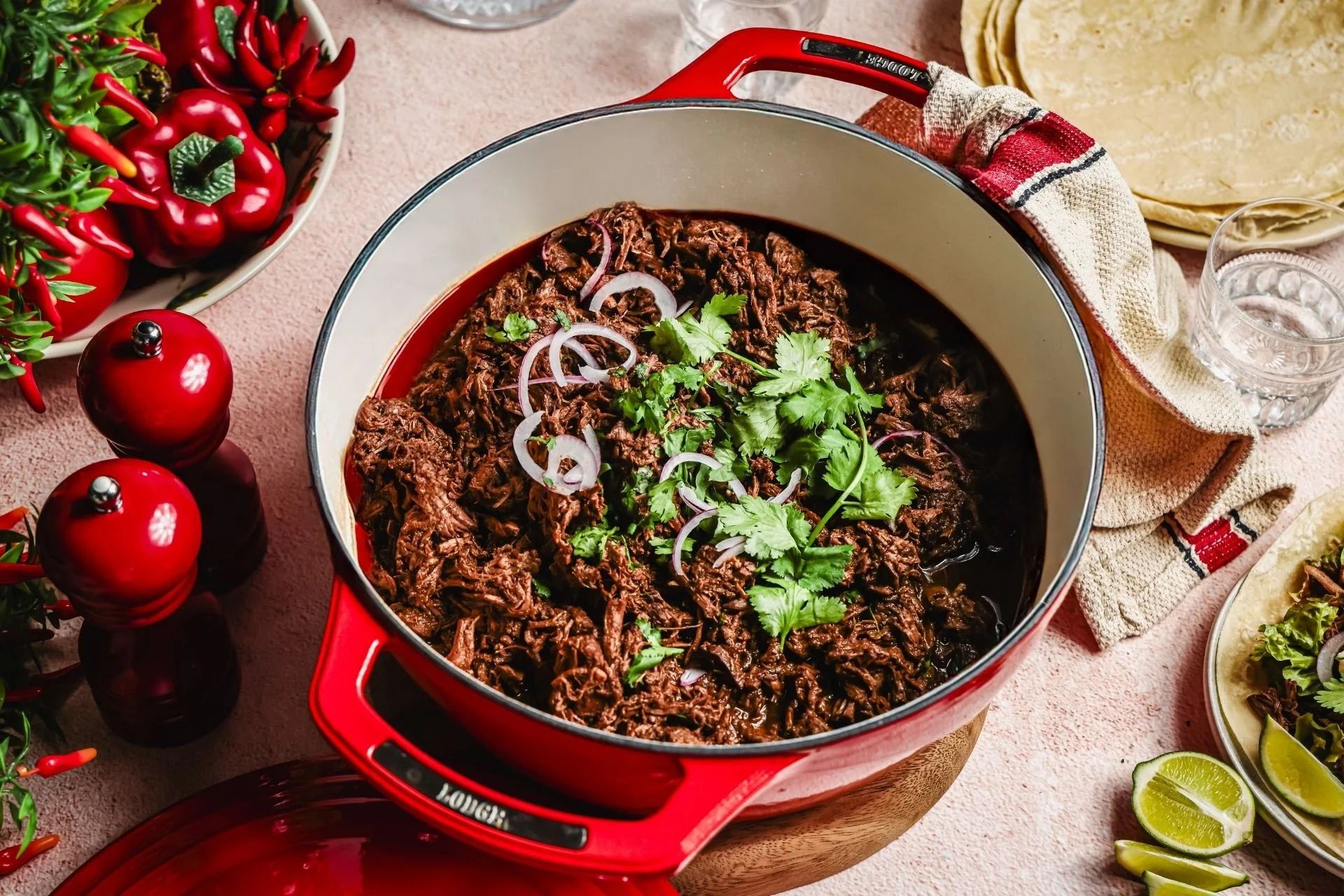
![Slow-cooked beef barbacoa shredded beef chuck steak topped with fresh coriander and sliced red onion, served with tortillas, lime wedges and fresh chillies.]()
Chuck steak: the unsung hero of slow cooking
-
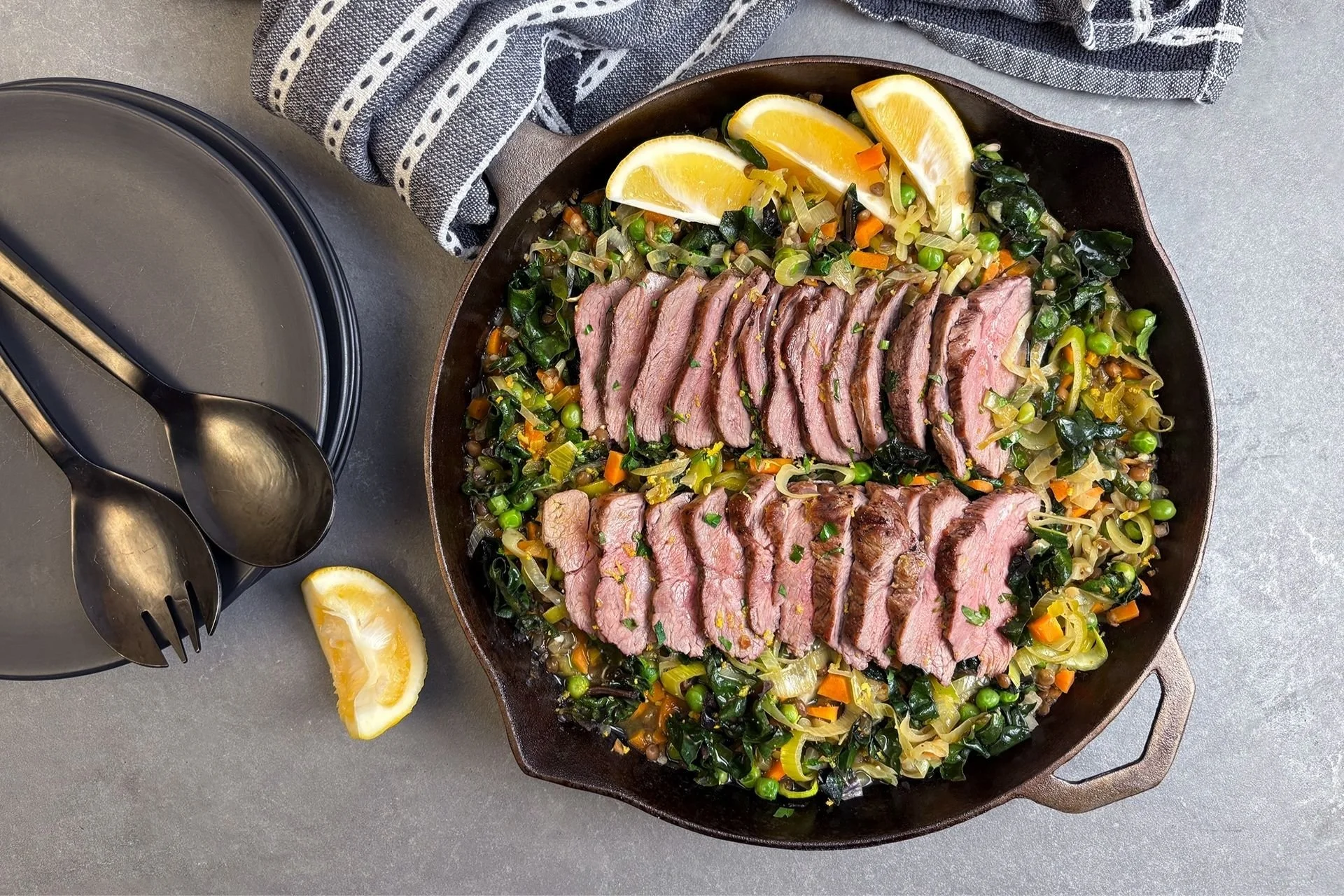
![Sliced lamb rump served over sautéed greens, peas, leeks and diced carrots in a skillet, garnished with fresh herbs and lemon wedges.]()
How to cook lamb rump
-
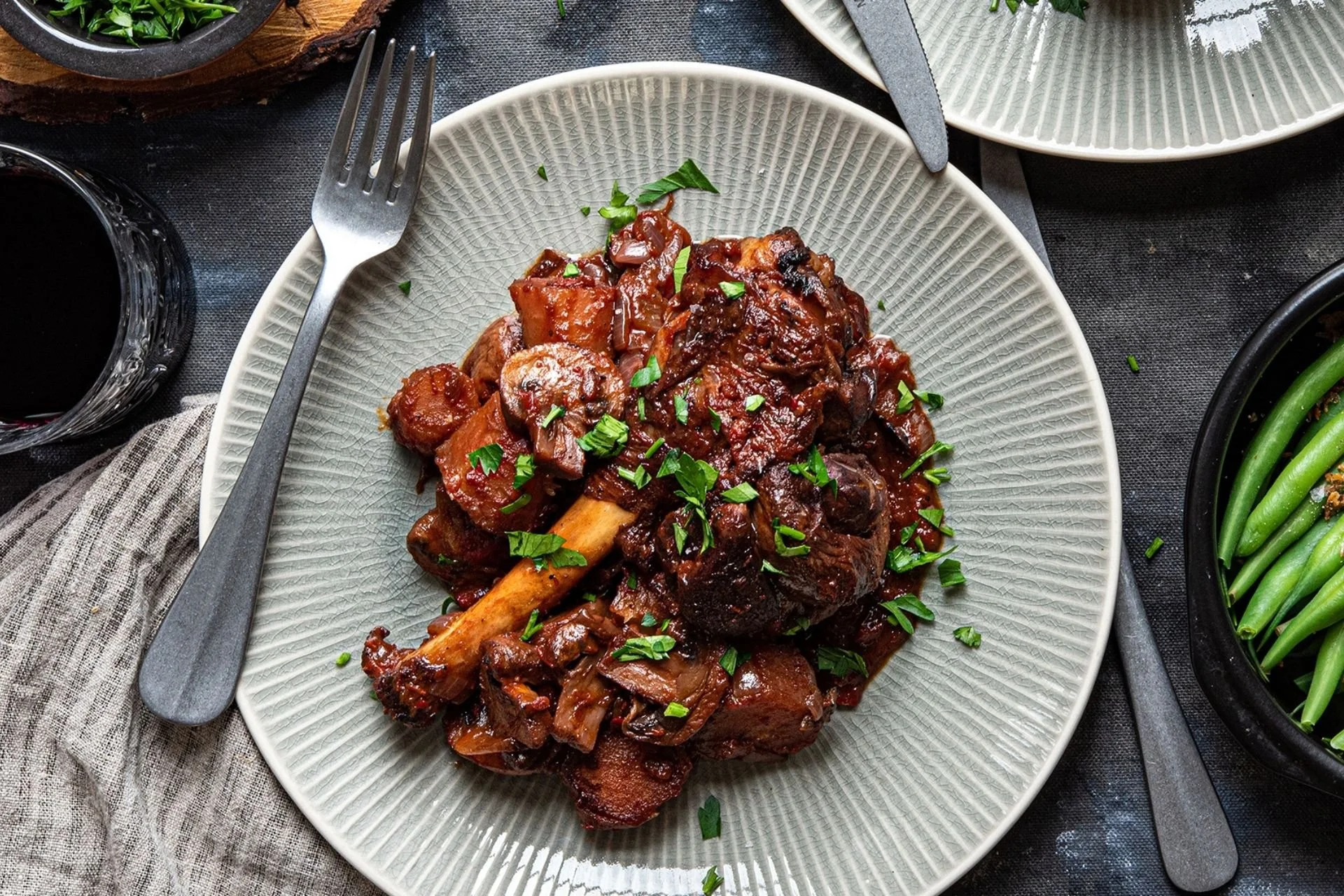
![Slow-cooked lamb shanks in a rich, glossy sauce with carrots and fresh parsley, served with green beans.]()
How to cook lamb shanks
-
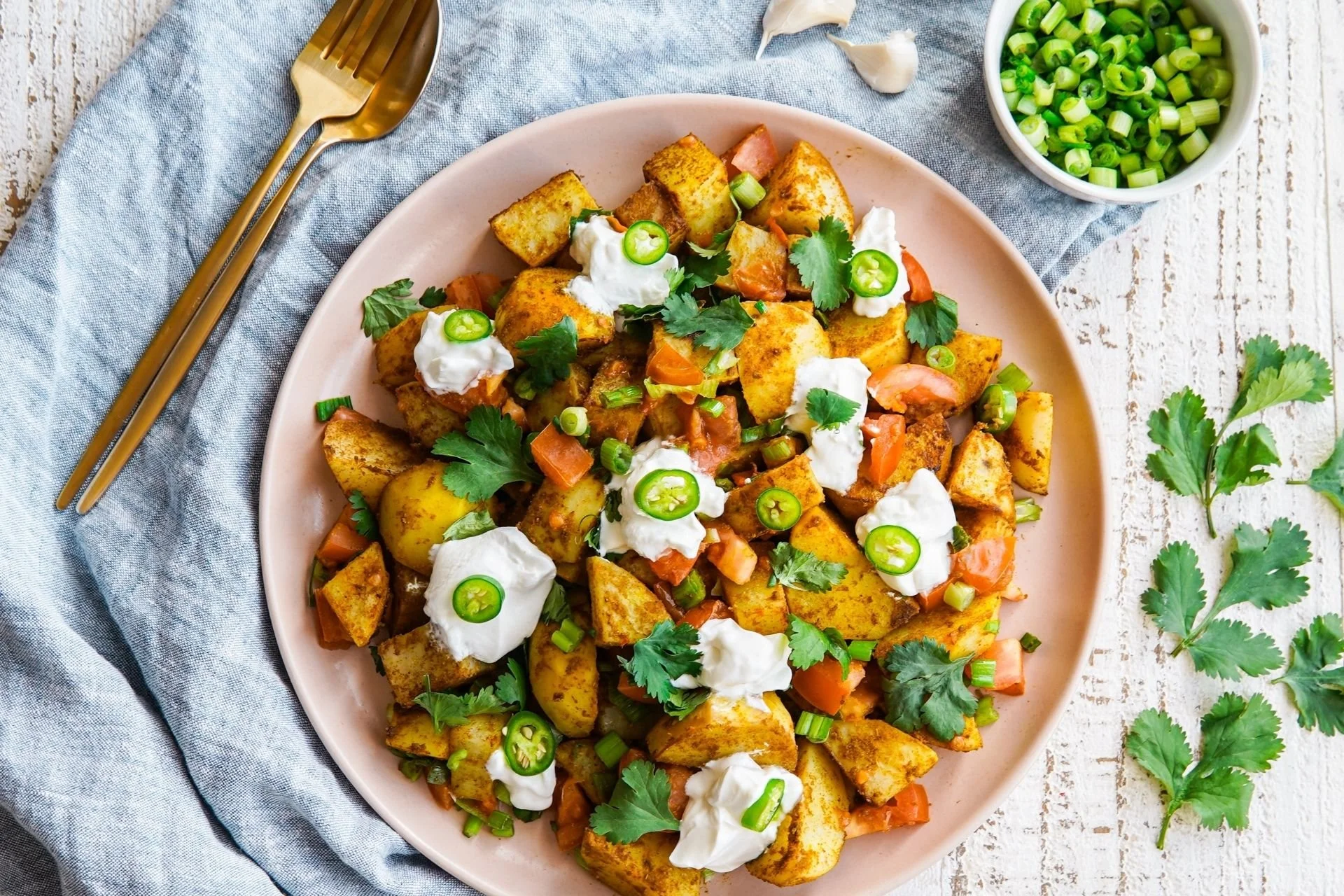
![Bombay potatoes with spiced golden potato chunks, fresh tomato, green chilli, coriander and dollops of yoghurt, topped with sliced spring onion.]()
Flavour, not salt
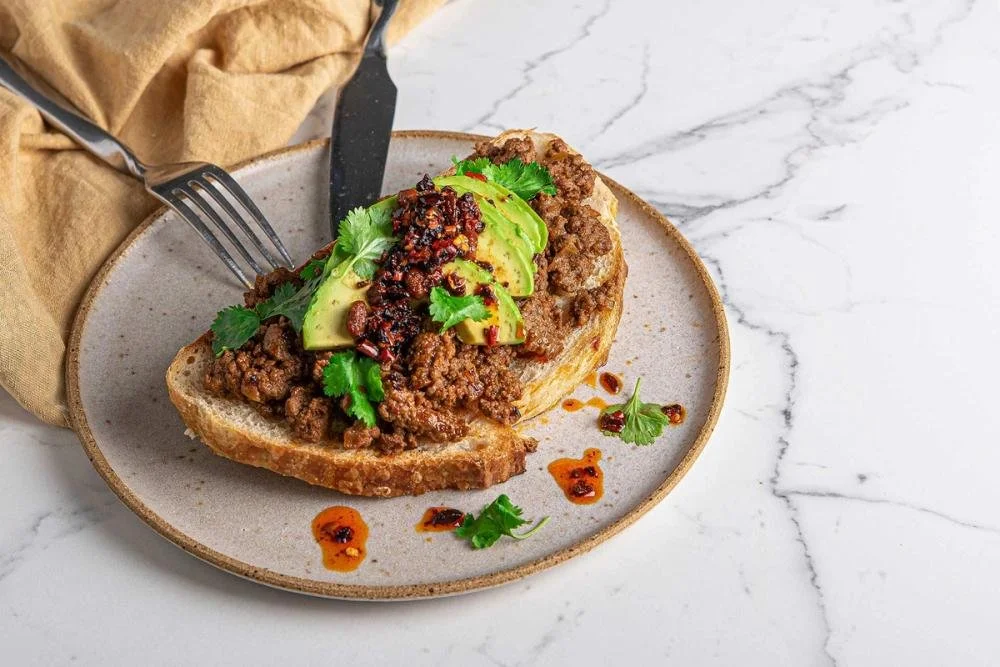
How you eat
A good meal is about more than what’s in the middle of the plate. It’s the combination of foods around it that helps create a balanced meal, from colourful vegetables and wholegrains, to legumes and other nutritious foods.
New Zealand beef and lamb can fit easily into that mix. Add plenty of vegetables, choose an appropriate portion and include a variety of foods and protein sources across the week.
We’ve pulled together some simple ideas to help you put it all together, with balanced meal ideas, practical tips for adding more vegetables and legumes, and smart ways to make your beef and lamb go further.
What goes with it?
Balanced meals
A balanced meal built around New Zealand beef or lamb can include:
A palm-sized serving (100–150g) of lean beef or lamb, or a quarter of the plate.
Protein
Half of the plate. New Zealanders are recommended to eat at least five servings of non-starchy vegetables each day. Wholegrains or starchy vegetables: a quarter of the plate, think brown rice, wholegrain pasta, potato, or kūmara.
Vegetables and salad
Beans, lentils and chickpeas are a great addition to meals, adding fibre, plant protein and other important nutrients.
Legumes
-
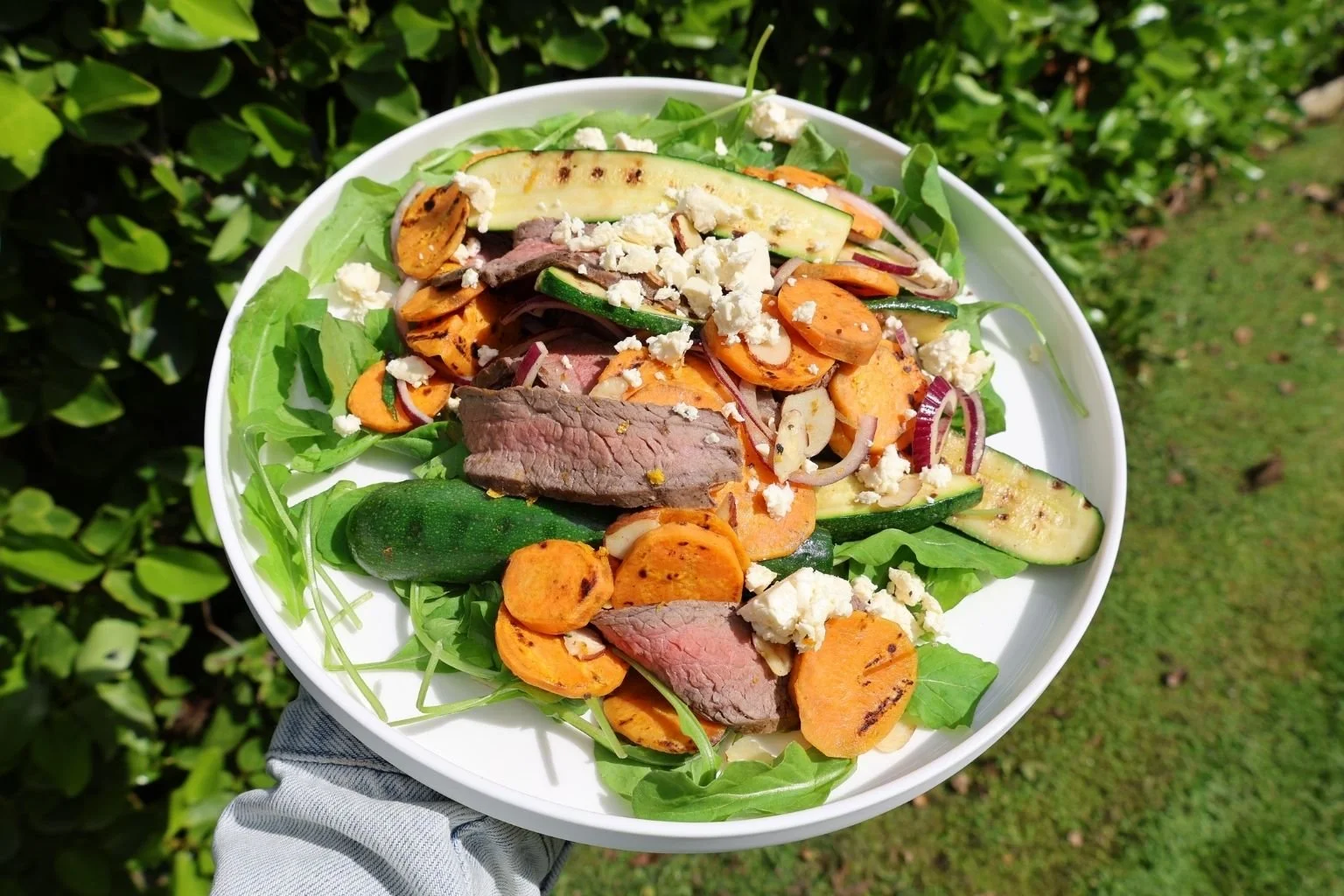
![Grilled steak, kumara and courgette salad with fresh rocket, red onion and crumbled feta, served on a white plate outdoors.]()
Eight fibre-rich meals
-
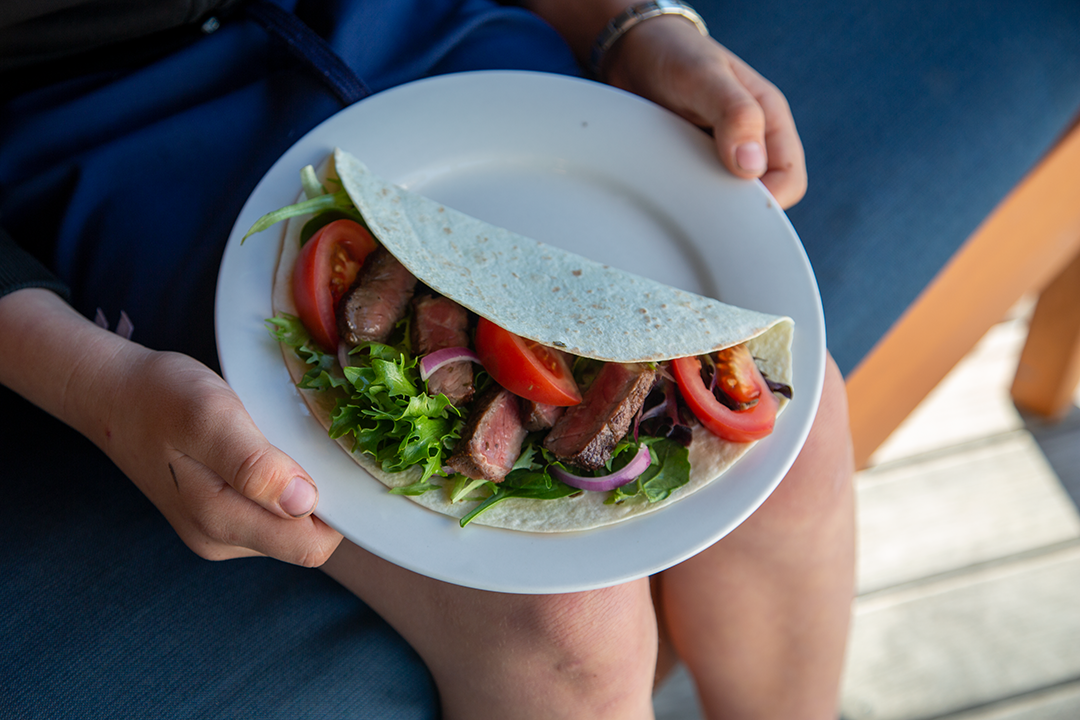
![Simple beef steak wrap with sliced steak, tomato, red onion and fresh salad greens, held on a white plate outdoors.]()
Top tips for easy, healthy dinners
-
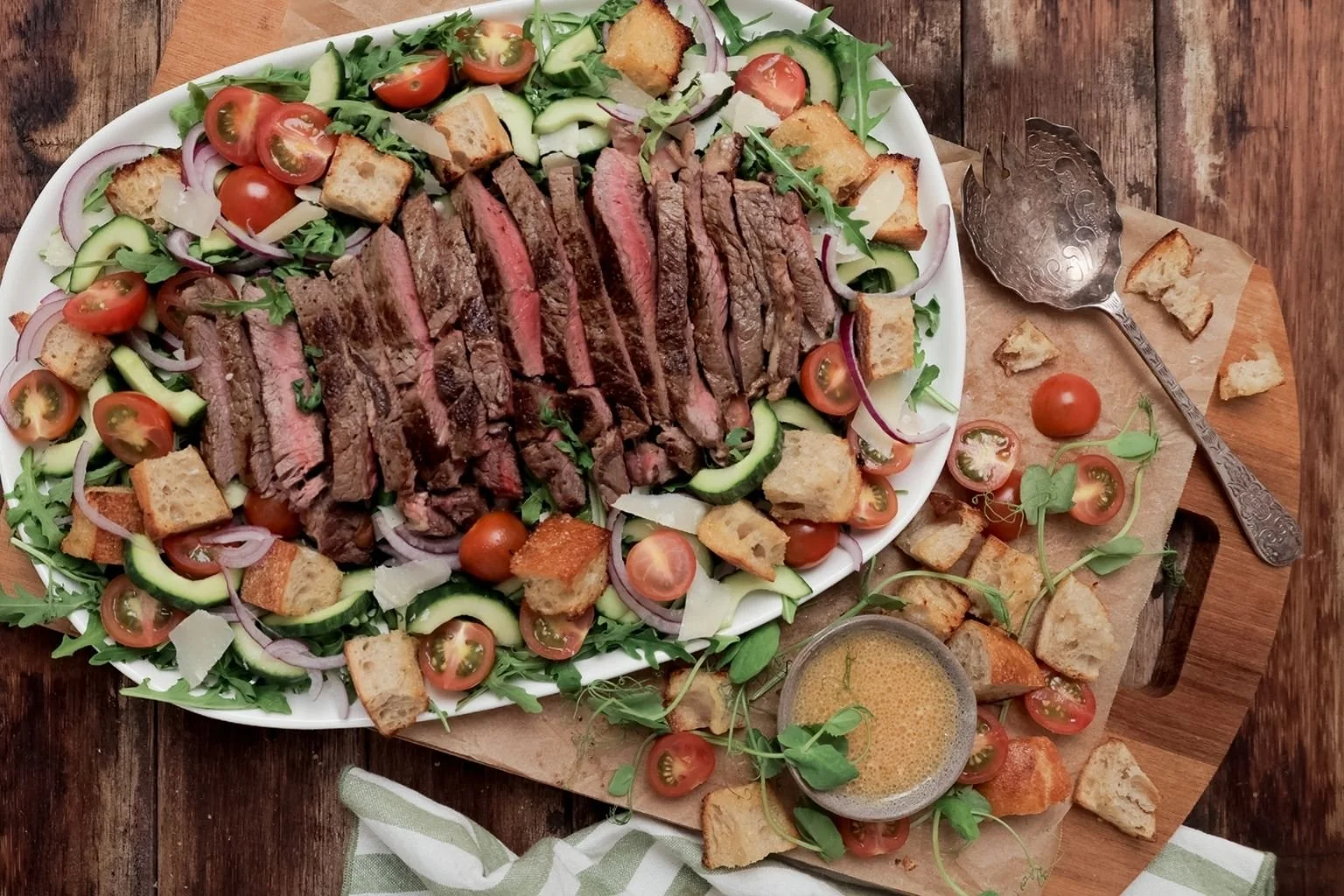
![Sliced grilled steak served over a fresh salad of rocket, cucumber, cherry tomatoes, red onion, shaved parmesan and golden croutons, with dressing on the side.]()
The power of protein
-
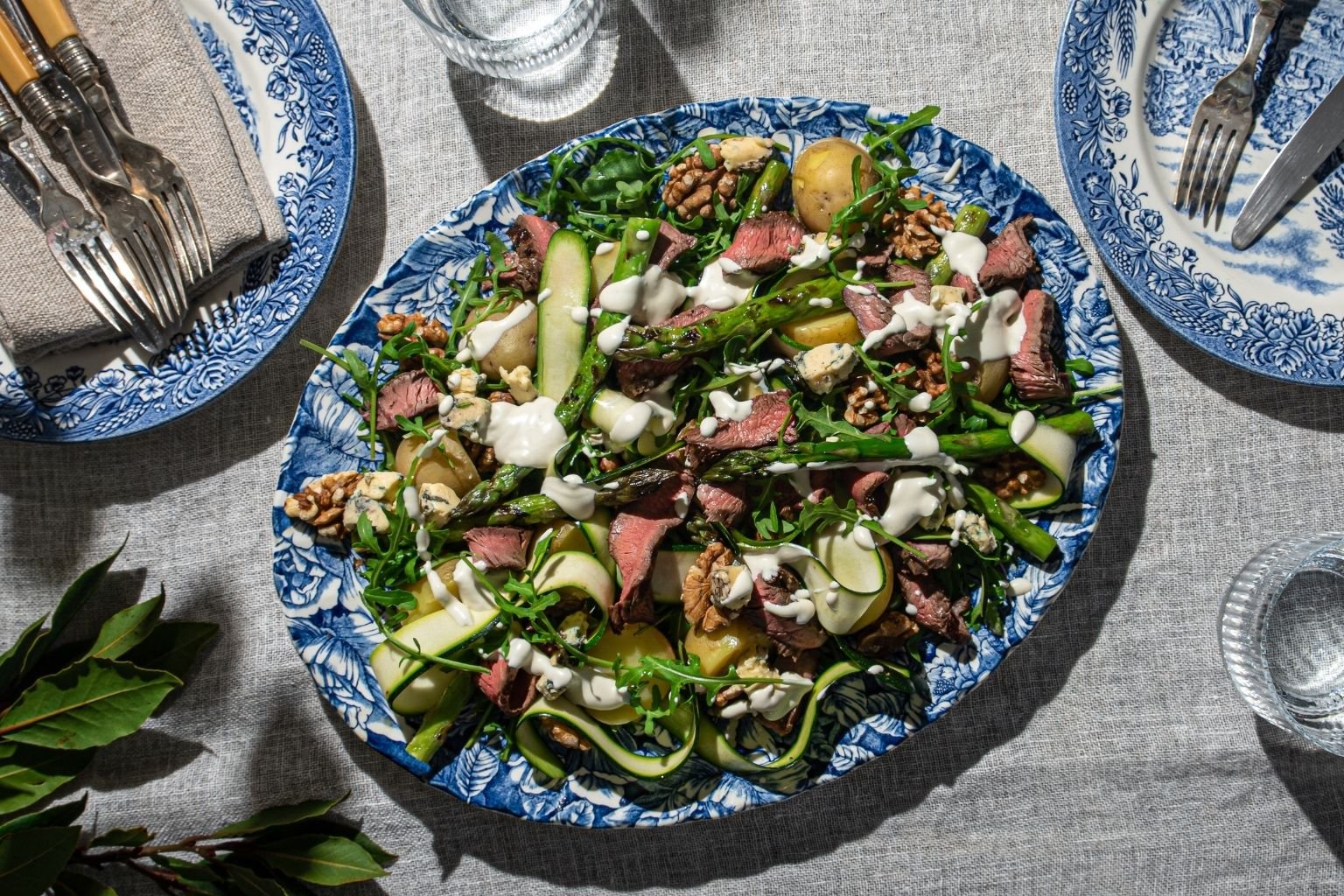
![Sliced grilled beef rump steak salad with asparagus, courgette ribbons, baby potatoes, rocket, walnuts and blue cheese, drizzled with creamy dressing on a blue and white platter.]()
Iron: The mighty mineral for movement
-
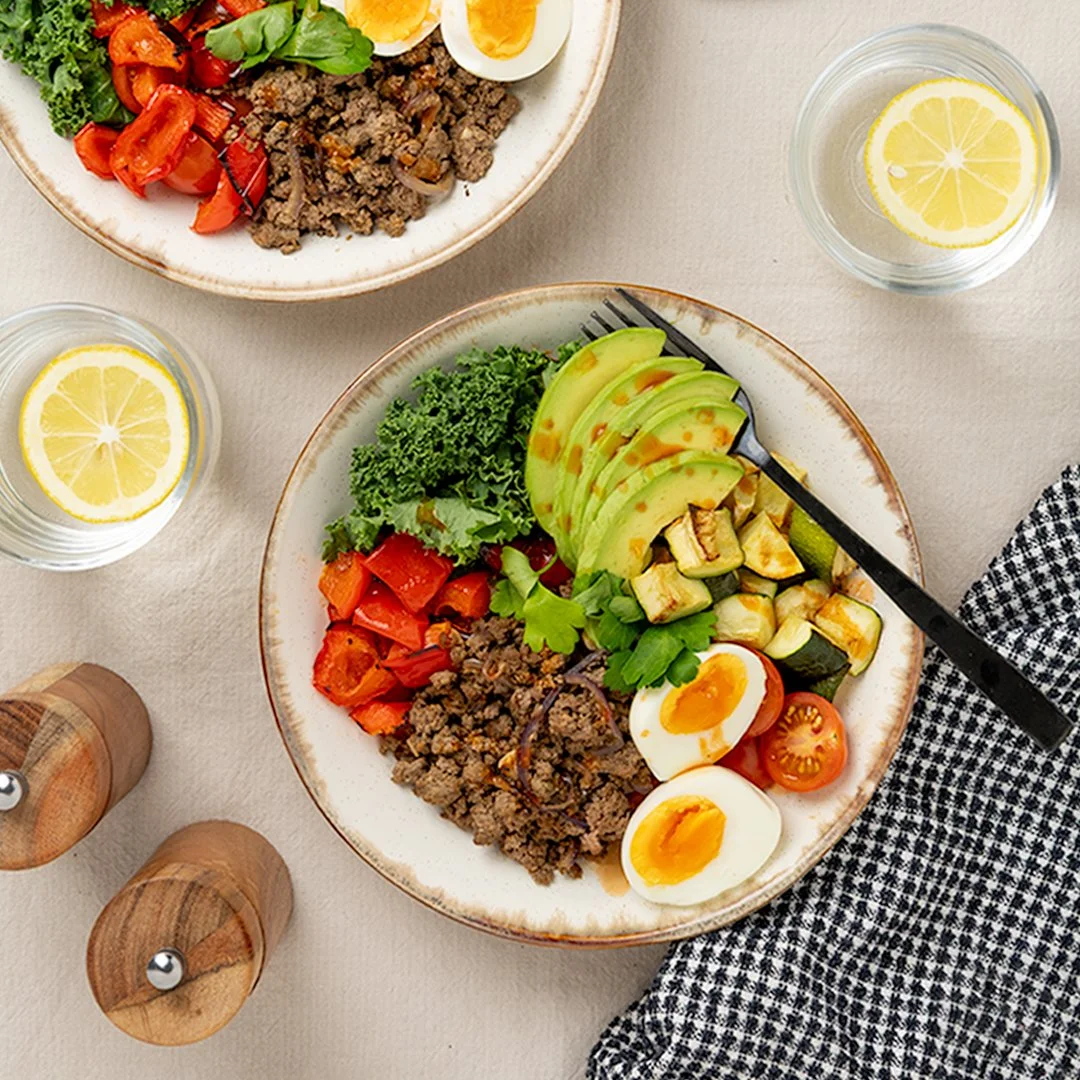
![Beef mince breakfast bowls with sliced avocado, roasted courgette and capsicum, fresh kale, parsley, cherry tomatoes and boiled eggs, served on ceramic plates.]()
B12 but make it delicious
-
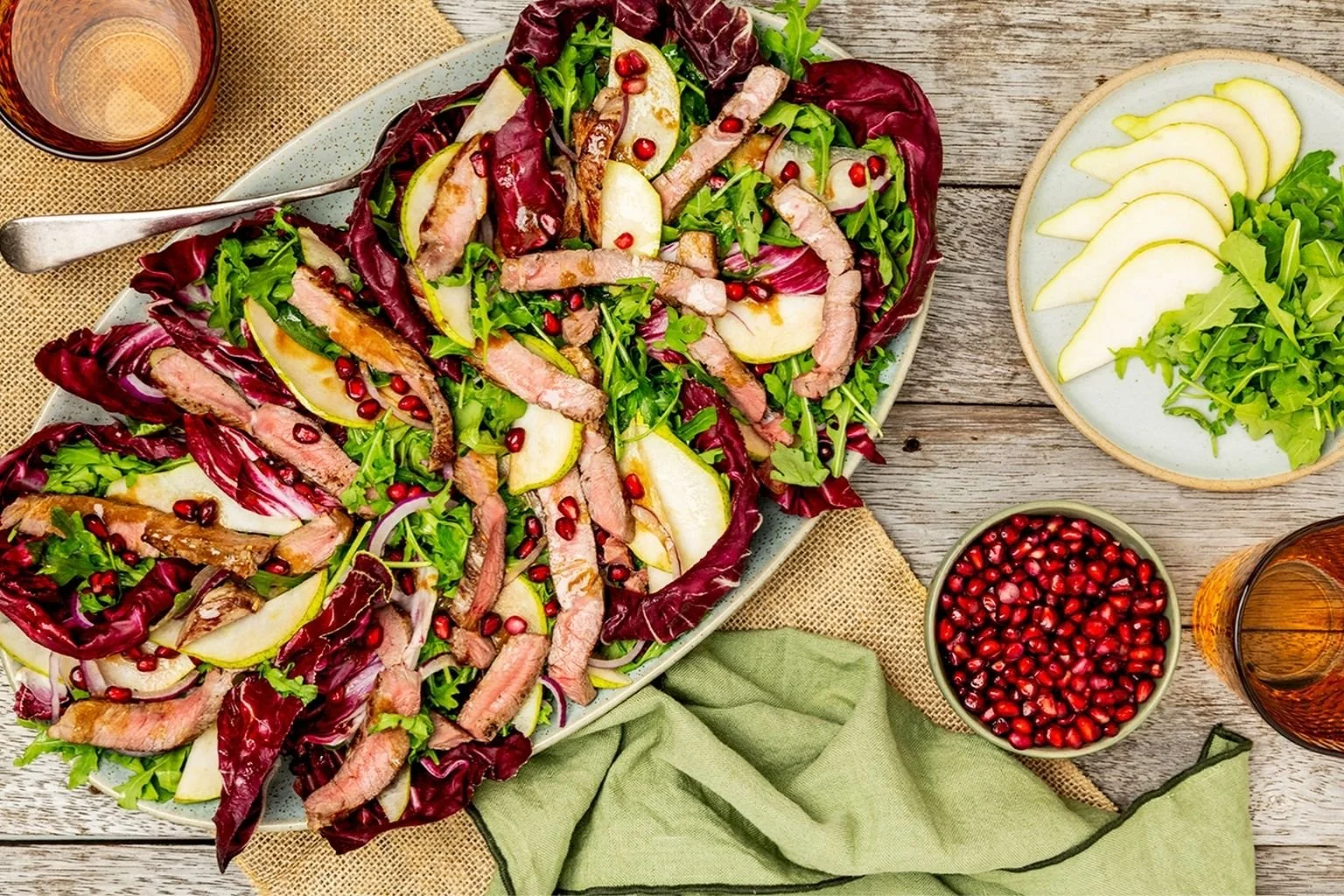
![Sliced grilled steak salad with pear, pomegranate seeds, rocket, radicchio and red onion, served on a platter with extra pear slices and pomegranate seeds on the side.]()
Six seriously delicious zinc-rich meals
-
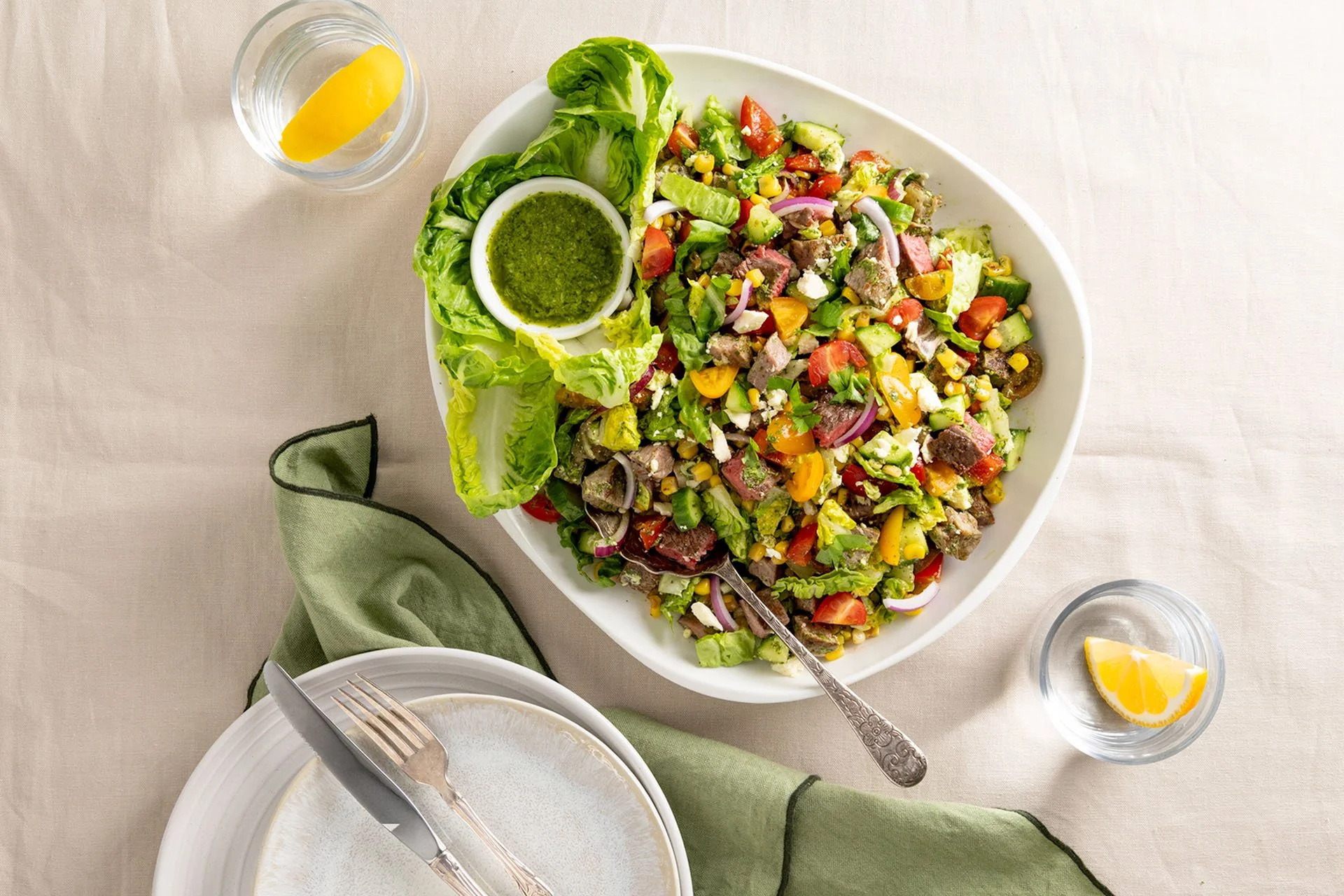
![Chopped steak salad with fresh tomatoes, corn, cucumber, red onion, feta and green lettuce, served with a bowl of green chimichurri dressing and lemon wedges.]()
Tips for a tasty salad
Example meals
-
![Sliced New Zealand beef steak served over soba noodles with red cabbage, carrot, capsicum and cucumber, garnished with sesame seeds and fresh coriander, with lime wedges on the side.]()
Almond satay soba salad
-
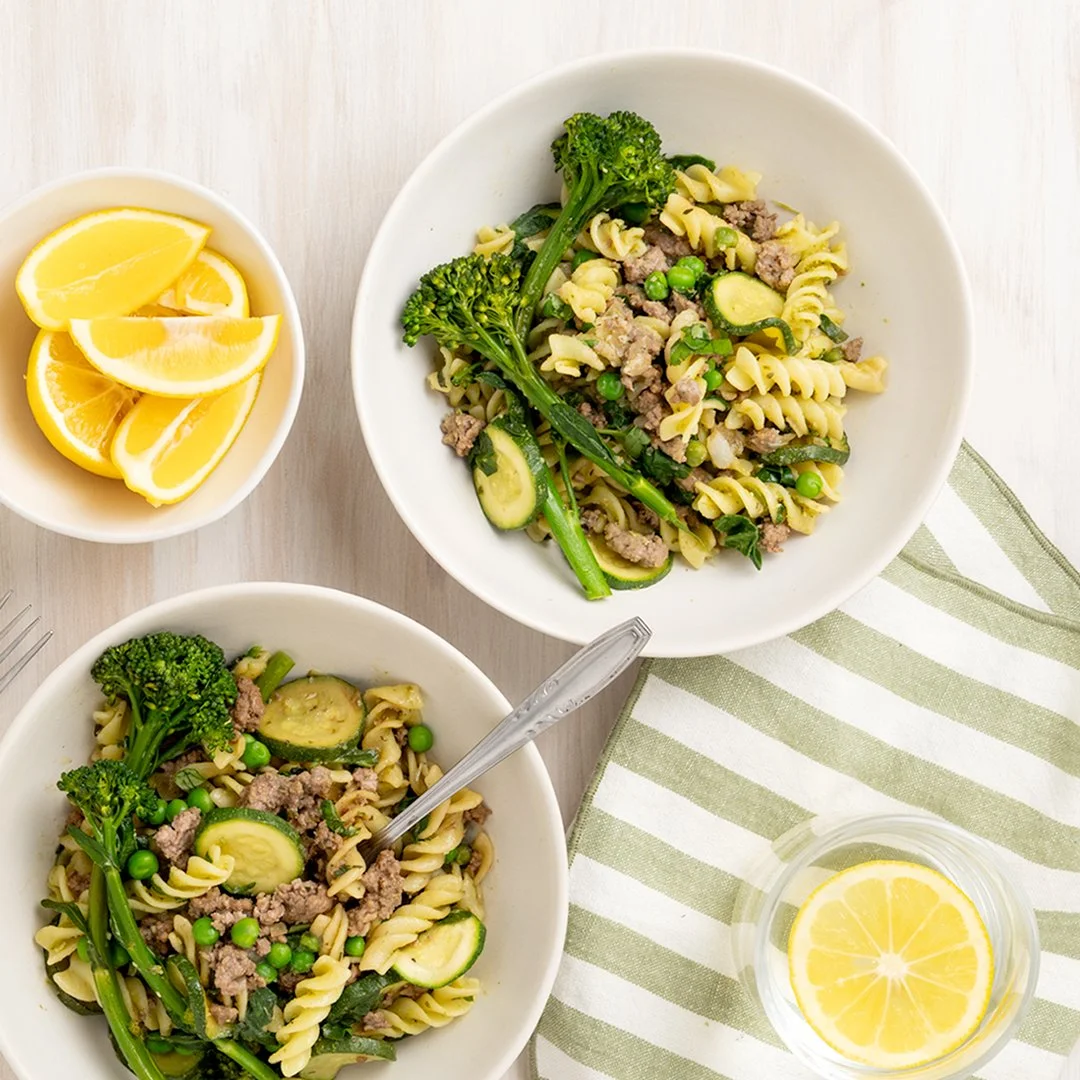
![Lamb mince and pesto pasta with courgette, peas, broccolini and fresh greens, served with lemon wedges.]()
Lamb and pesto pasta
-
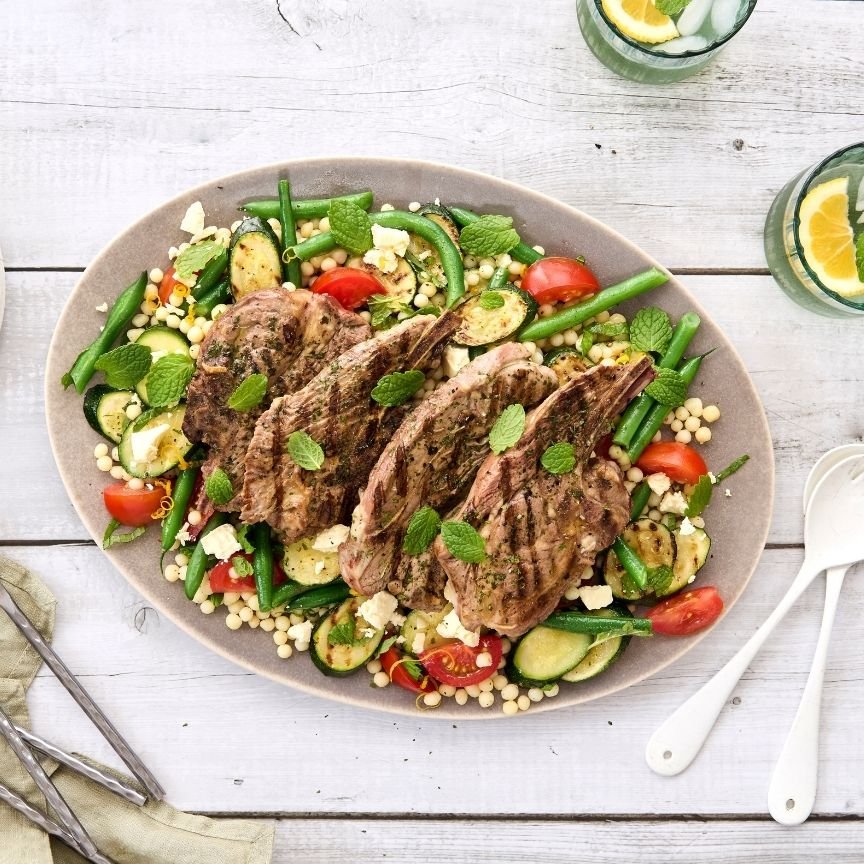
![Grilled lamb steaks served on a Mediterranean couscous salad with green beans, courgette, cherry tomatoes, crumbled feta and fresh mint.]()
Mediterranean style lamb with Israeli couscous
-
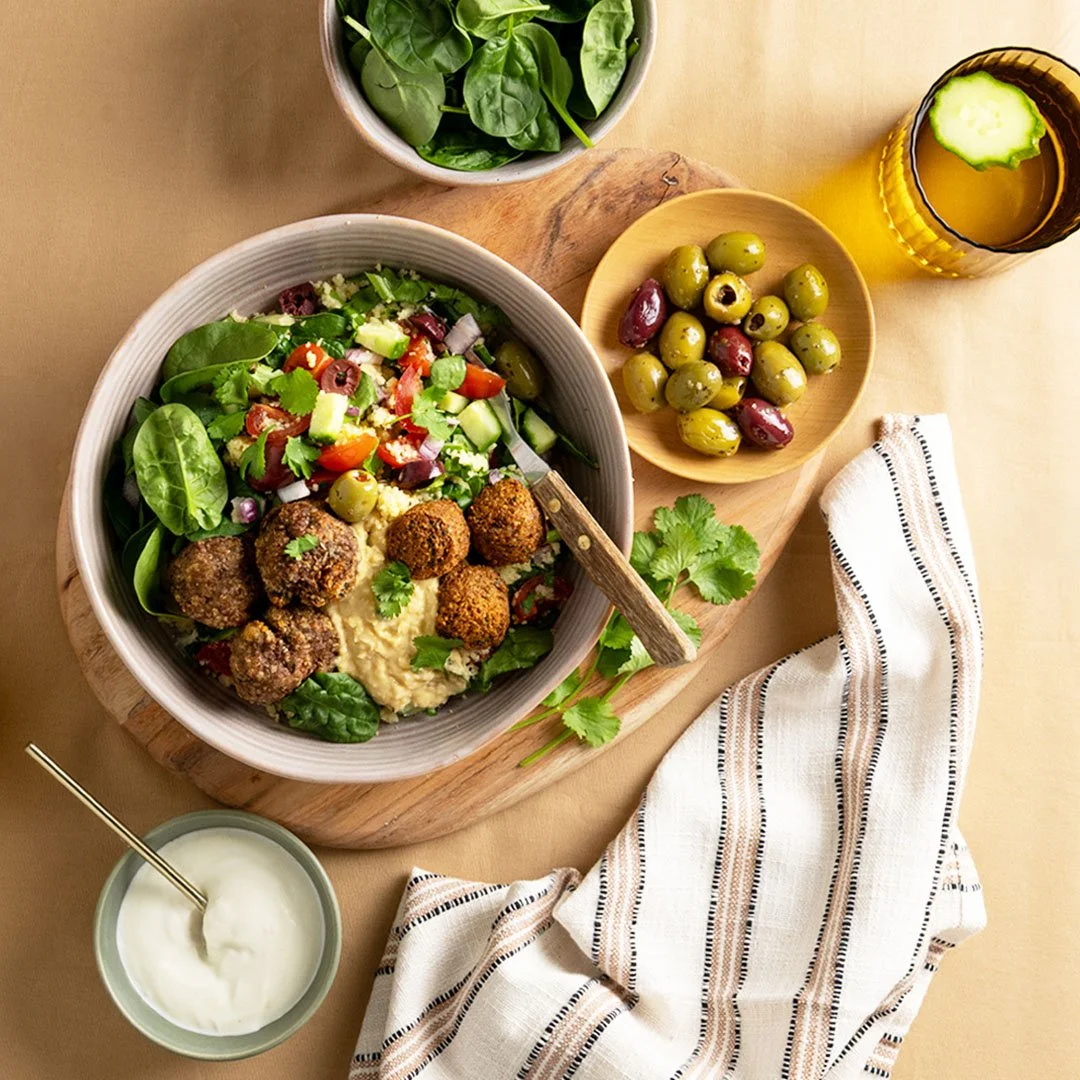
![Air fryer beef meatballs and falafel served in a Mediterranean bowl with hummus, baby spinach, cucumber, cherry tomatoes, olives and red onion, garnished with fresh coriander.]()
Air fryer beef and falafel bowls
-
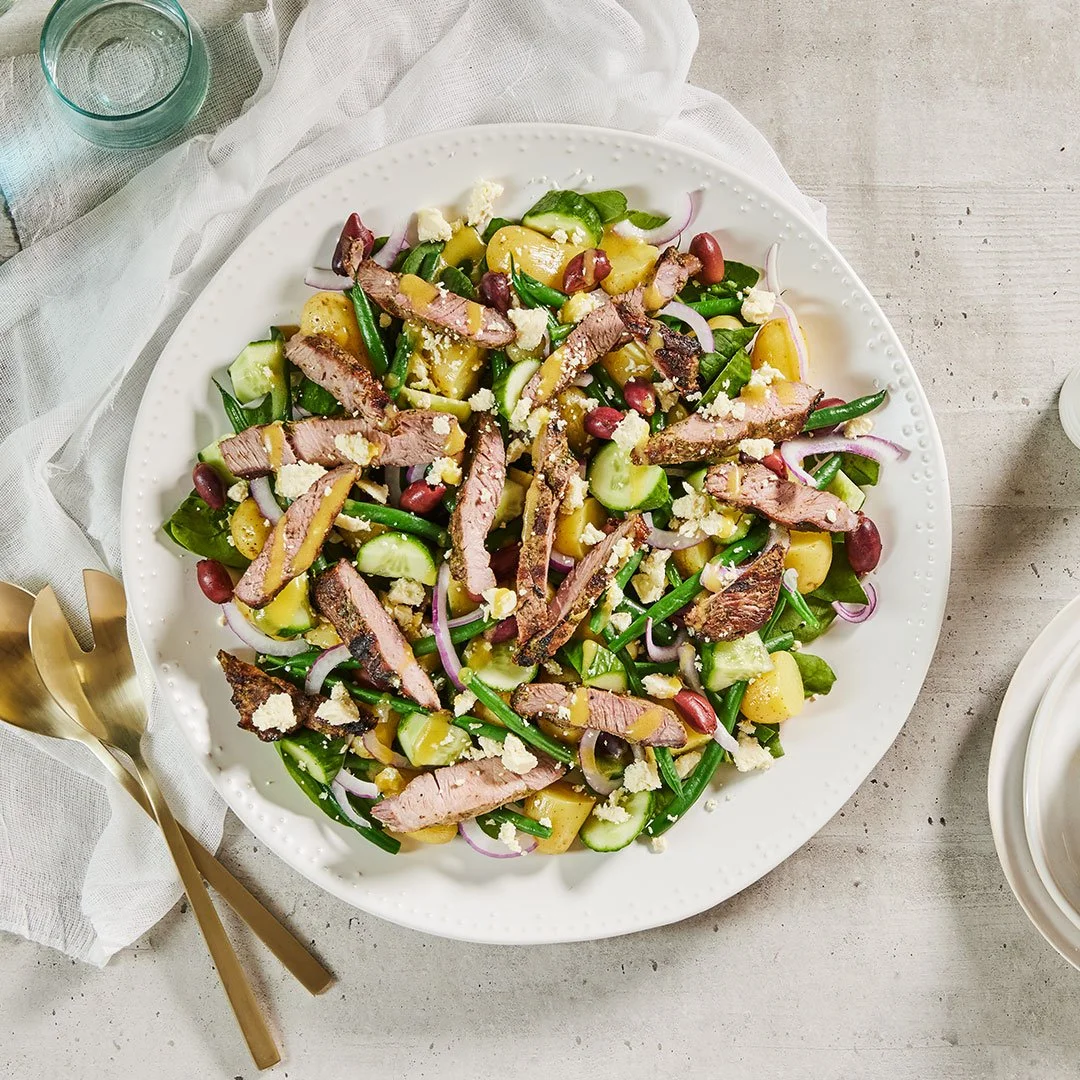
![Greek lamb salad with sliced grilled lamb, baby potatoes, green beans, cucumber, red onion, spinach, kidney beans and crumbled feta on a white serving platter.]()
The Greek lamb salad
-
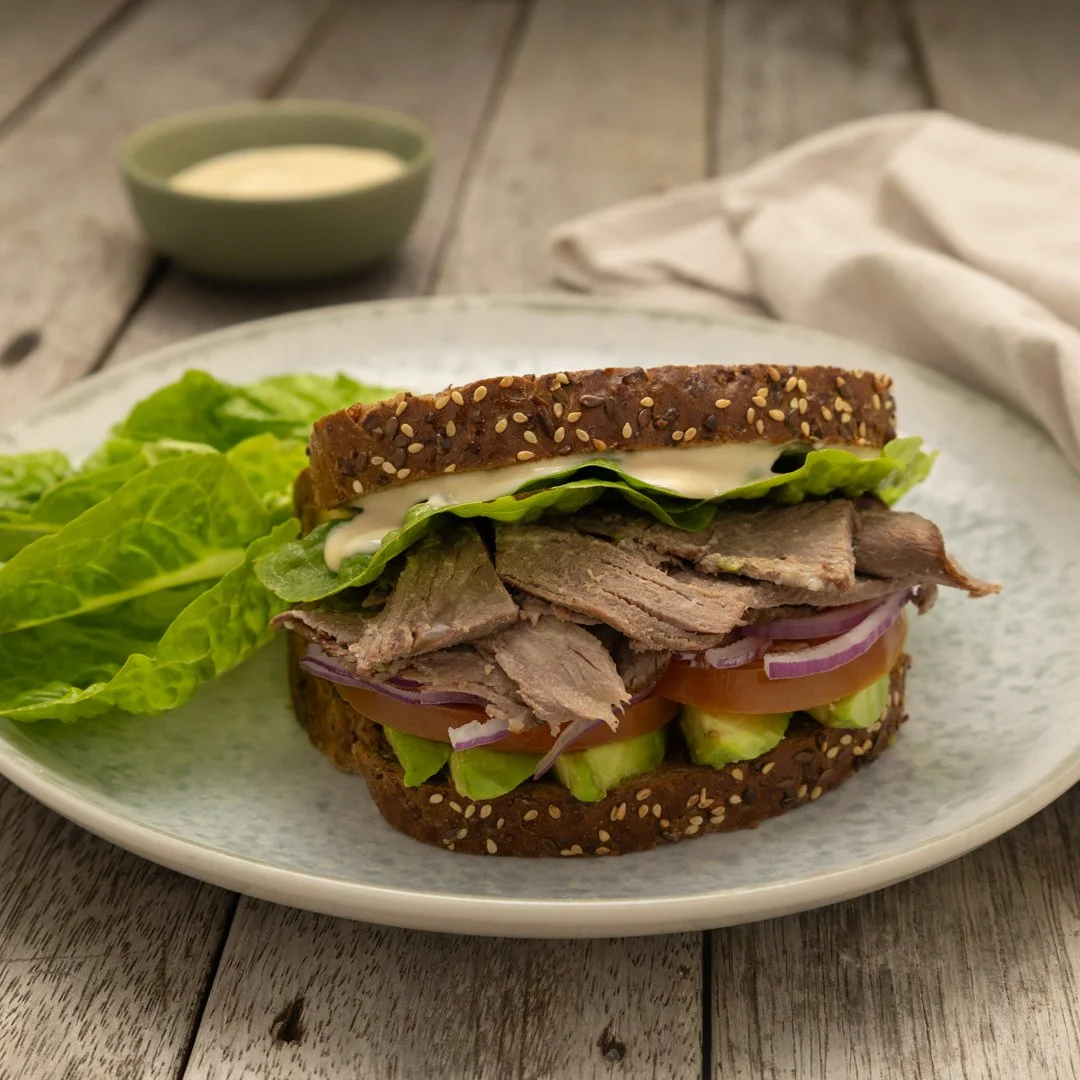
![Leftover roast beef BLAT sandwich with sliced roast beef, lettuce, avocado, tomato, red onion and creamy dressing on seeded wholegrain bread.]()
The better BLAT sandwich

For more balanced plate ideas,
watch our balanced plate playlist.
What happens afterwards?
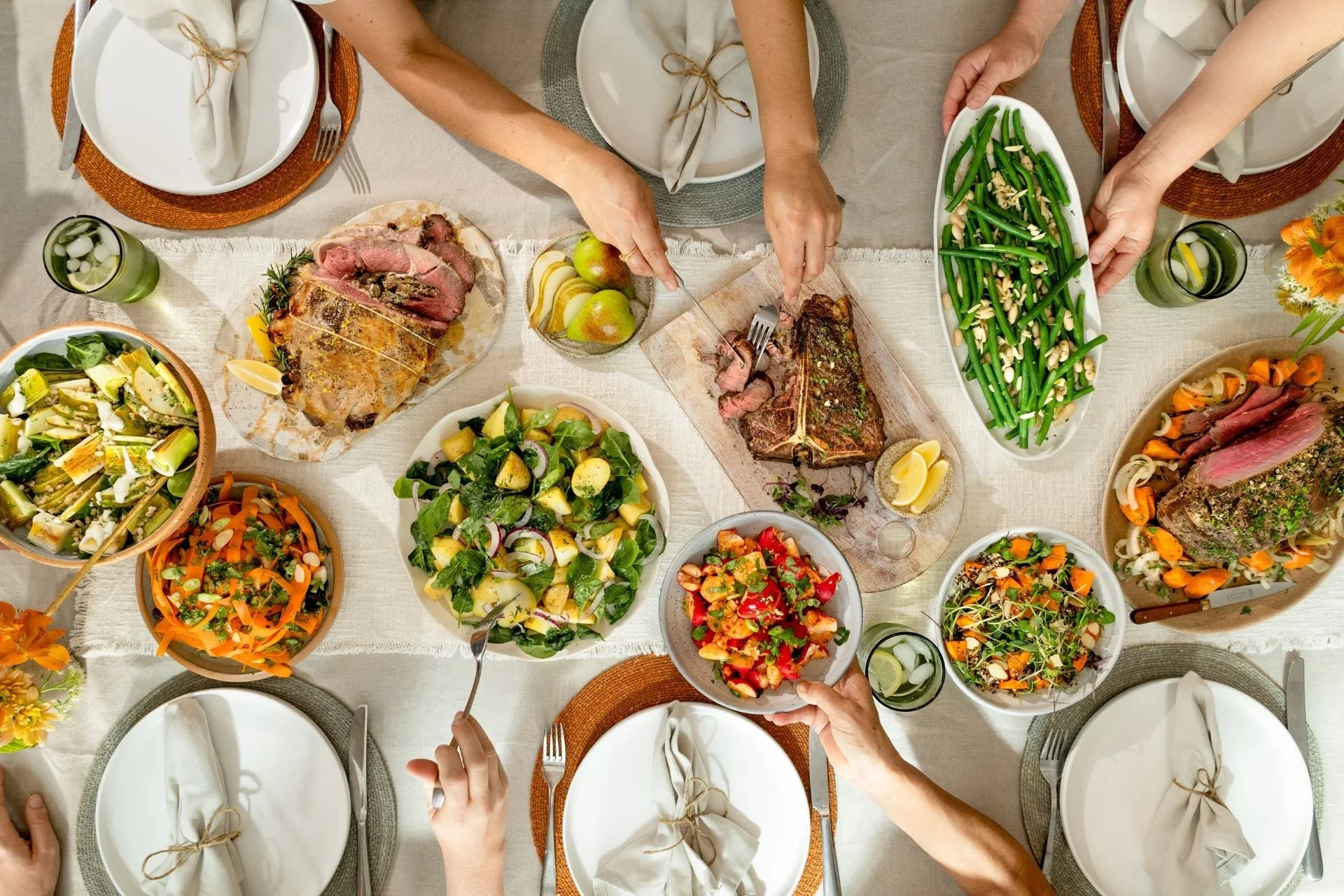
Storing beef and lamb well isn't just about food safety, it's about making the most of every cut, cutting down on food waste, and getting more meals out of your weekly shop.
Make your meat go further with these top tips:
Freeze mince, chops and steaks in meal-sized portions so you only defrost what you need.
Turn roast leftovers into a second meal. Think shepherd's pie, tacos, or a wrap filling.
Simmer bones and trim into a stock rather than throwing them out.
Label and date anything you freeze. Most cuts keep well for up to 3 months frozen.
Keep raw meat on the bottom shelf of the fridge and use within 2–3 days, or follow the use-by date.
For more ideas, see fresh ideas with your leftovers here.
Store, leftovers and reducing waste
From protein and iron to family nutrition and everyday eating, our Nutrition Team has brought together practical, evidence-based resources to make the science easier to understand. Explore our resources for useful information, downloadable guides and answers to common questions about beef, lamb and red meat.